Posts

A New Chapter in Bangladesh India Relations

The Indo-Bangladesh relationship is crucial not only for both nations' growth but also for regional stability in South Asia. While the historical ties between India and Bangladesh are filled with shared culture and challenges, there are several modern-day issues that require urgent attention. Today, the focus is on nurturing strong bilateral relations, enhancing economic cooperation, and managing border concerns. The ongoing dialogue between India and Bangladesh seeks to secure a balanced and peaceful partnership, benefiting both nations in the long run. Strengthening Economic Cooperation One of the primary areas where India and Bangladesh relations have flourished is trade. The countries have made significant strides in boosting economic exchanges, with Bangladesh emerging as one of India’s largest trading partners in the region. As part of this strengthening relationship, India has supported Bangladesh in areas like infrastructure development, energy, and technology transfer...
Refining the PM Awas Yojana's Beneficiary Process

The Pradhan Mantri Awas Yojana (PMAY) has been a cornerstone of the Indian government’s efforts to provide affordable housing for all. As the initiative aims to provide housing for millions, evaluating the beneficiary identification process becomes crucial for ensuring transparency, fairness, and effectiveness. The Foundation of PM Awas Yojana Launched in 2015, it is designed to address the housing needs of economically disadvantaged segments of society. It aims to build 20 million affordable houses across urban and rural areas by 2022. However, ensuring that the right beneficiaries receive these benefits requires a well-structured identification process. The process involves categorising beneficiaries, assessing their needs, and verifying eligibility criteria. The success of the scheme depends significantly on this mechanism, as an effective beneficiary identification system directly impacts the programme's outreach and success. Challenges in the Beneficiary Identification Pro...

Ten Years of India’s Act East Policy: Strategic, Economic, and Cultural Milestones

Over the past decade, India’s Act East Policy (AEP), launched in 2014, has marked a pivotal shift in India’s engagement with Southeast Asia, expanding upon the earlier Look East Policy to encompass strategic, economic, and cultural dimensions. With an emphasis on ASEAN centrality, defense cooperation, and infrastructure development, AEP has strengthened India’s presence in the Indo-Pacific, making it a key partner for ASEAN nations amid shifting geopolitical landscapes. This milestone reflects India’s commitment to a stable and prosperous Southeast Asia and its proactive role in regional security. Strategic Alignment and Defense Cooperation A defining feature of India’s AEP has been the emphasis on strategic collaboration with ASEAN, aligning India’s vision for the Indo-Pacific with ASEAN’s outlook. India’s commitment to ASEAN centrality, unity, and the ASEAN Outlook on the Indo-Pacific (AOIP) has resulted in stronger diplomatic ties and deeper security cooperation. India has acti...

From Burnout to Balance: Enhancing Mental Health Support for India's Frontline Workers

The COVID-19 pandemic has placed immense pressure on frontline workers in India, including healthcare professionals, police, and essential service providers. These individuals have been at the forefront of battling the virus, facing long hours, inadequate resources, and emotional tolls that have significantly impacted their mental health. The constant exposure to high-stress environments, coupled with the fear of infection and witnessing suffering, has led to increased levels of anxiety, depression, and burnout among these workers. Research indicates that many frontline workers experience symptoms of post-traumatic stress disorder (PTSD) and other psychological issues. The relentless demand for care and the emotional burden of losing patients have contributed to a sense of helplessness and fatigue. In addition to physical health risks, these workers often encounter stigma and social isolation, further complicating their mental health struggles. The urgent need for mental health suppo...

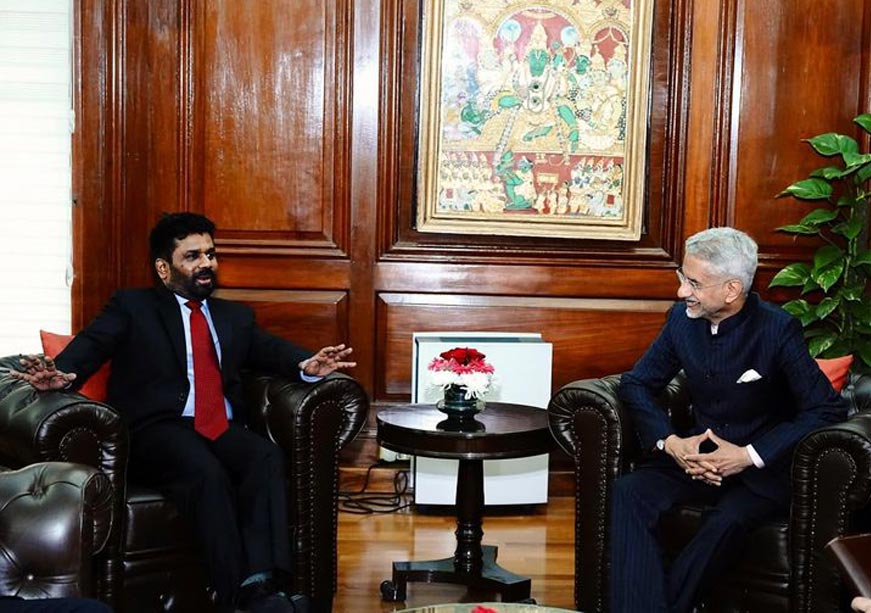
Sri Lanka's Presidential Elections: Opportunities and Challenges for India

Image
  Sri Lanka's presidential elections represent a pivotal moment not only for the island nation but also for its regional neighbour, India. The outcome of these elections carries significant implications for India-Sri Lanka relations, influencing geopolitical dynamics, economic ties, and strategic interests in the South Asian region. Sri Lanka's presidential elections are set against a backdrop of political instability and economic challenges. These elections are crucial in determining Sri Lanka's path forward, with potential repercussions for regional stability and bilateral relations with India. Opportunities for India 1. Strengthening Bilateral Relations India has an opportunity to strengthen its relationship with Sri Lanka through diplomatic engagement and economic cooperation. By supporting Sri Lanka in its recovery efforts, India can enhance its influence and establish a stronger partnership. India’s assistance in areas such as infrastructure development, eco...

Arighat and the NFU Policy: Rethinking India’s Nuclear Strategy

Image
  The recent commissioning of the Indian submarine Arighat has sparked renewed debate over India’s No First Use (NFU)nuclear policy . This blog explores the implications of this development, examining the strategic, political, and diplomatic dimensions of the NFU policy in the context of evolving global security dynamics. The Significance of the Arighat Submarine The Arighat, India’s second nuclear-powered submarine equipped with ballistic missiles, marks a significant advancement in the nation’s naval capabilities. This commissioning represents a critical enhancement of India’s strategic deterrent, reinforcing its ability to maintain a credible second-strike capability . The submarine’s deployment is a testament to India’s commitment to strengthening its nuclear triad, which includes land, air, and sea-based delivery systems. By increasing its strategic reach, India aims to bolster its deterrence posture and ensure that its nuclear capabilities remain robust in the face of reg...

From Ad Hoc to Institutional: The Taliban’s Structured Approach to Governance

Image
  The   Taliban’s rule   in Afghanistan has evolved from a series of ad hoc measures to a more structured and codified system, reflecting its ambitions to consolidate power and implement its ideological vision. This institutionalisation process underscores the Taliban’s efforts to formalise its governance through a blend of traditional and new mechanisms, deeply influencing   Afghanistan ’s political and social landscape. Codification of Governance and Ideology The Taliban’s approach to governance involves the formalisation of its rule through the codification of both virtue and vice. This process is marked by the implementation of a set of regulations and directives aimed at shaping societal norms and ensuring compliance with the group's interpretation of Islamic principles. By embedding these regulations into the fabric of governance, the Taliban seeks to legitimise its authority and create a controlled environment that aligns with its ideological stance. Impact on...